Tutorial — Mini 6 Category Cables
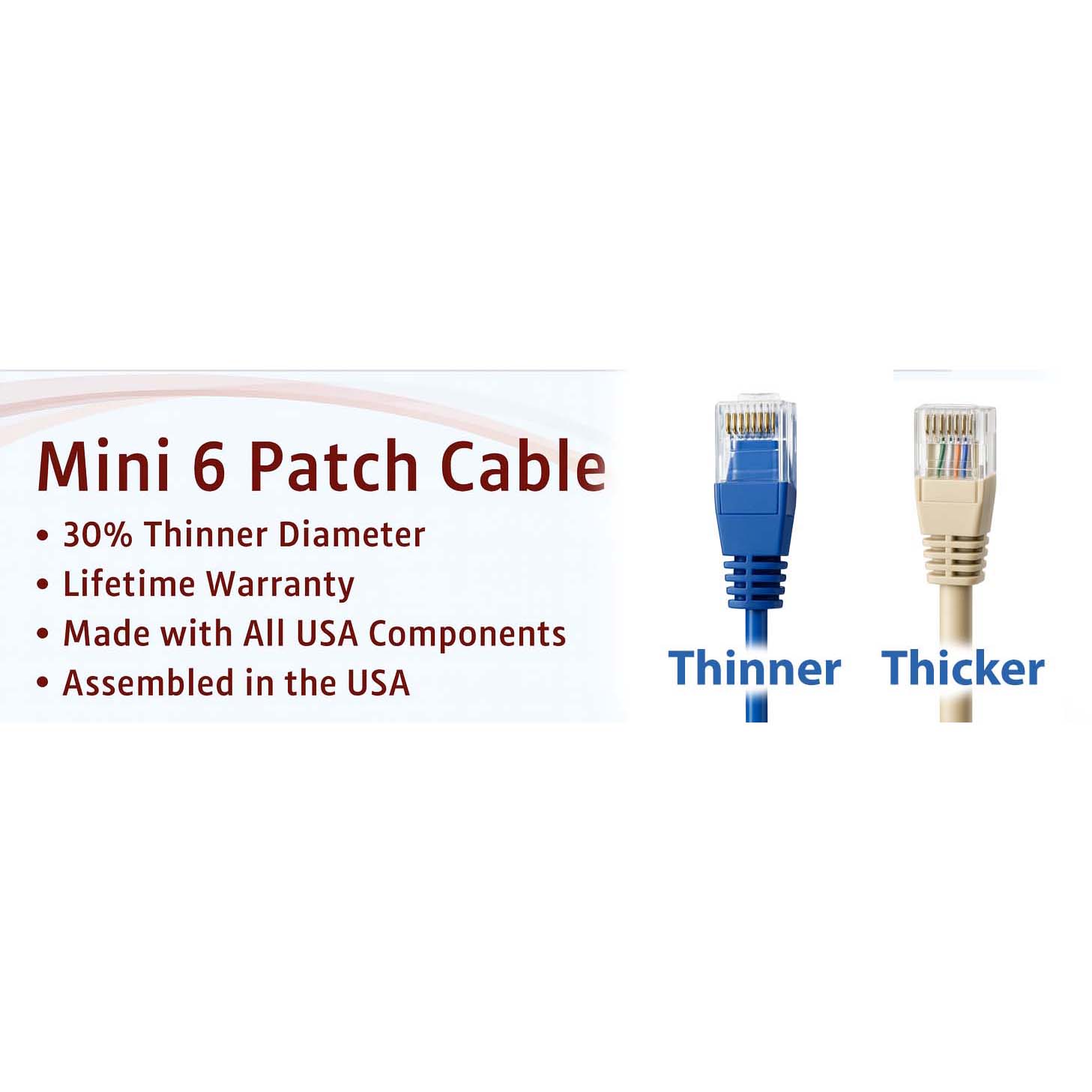
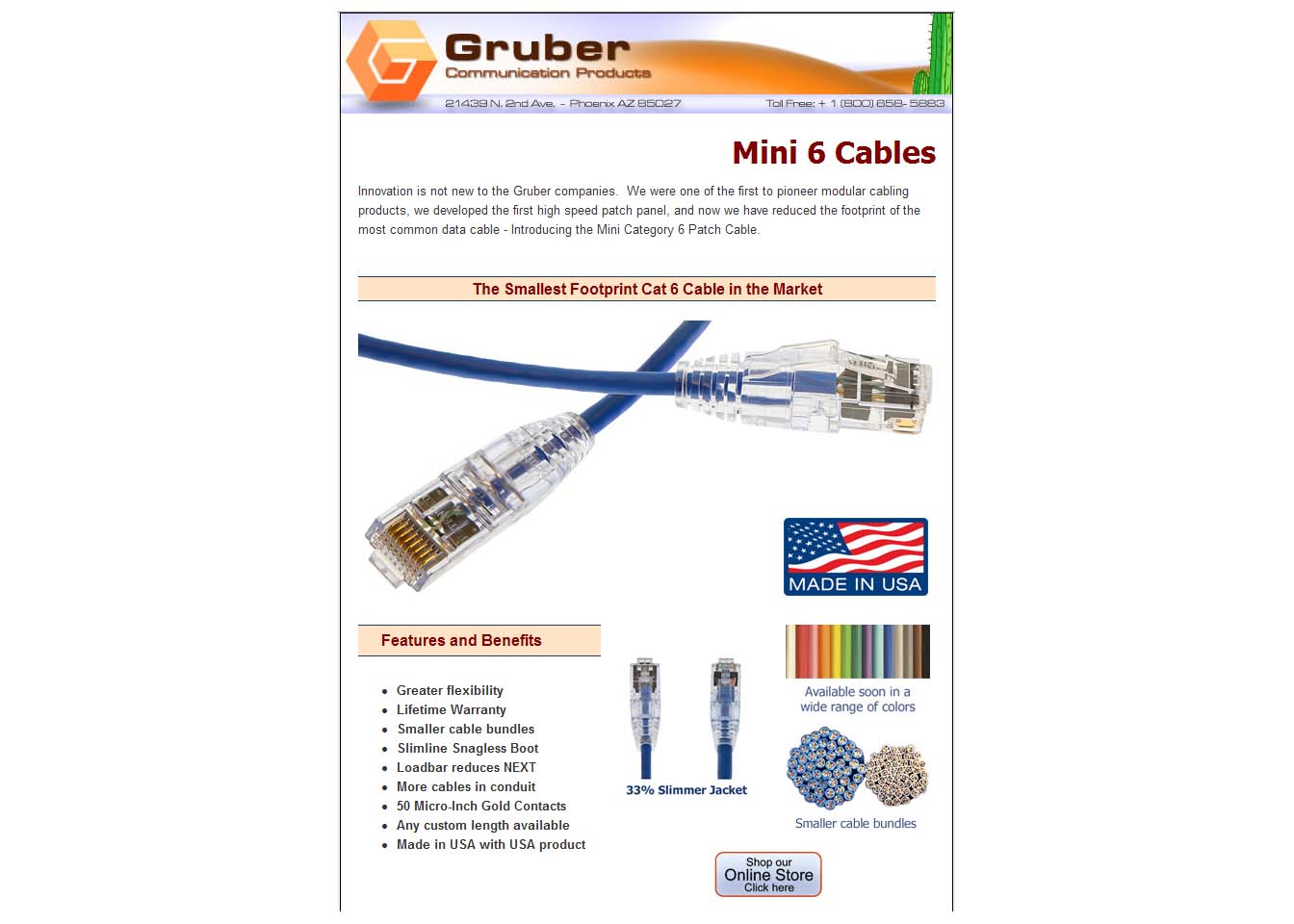
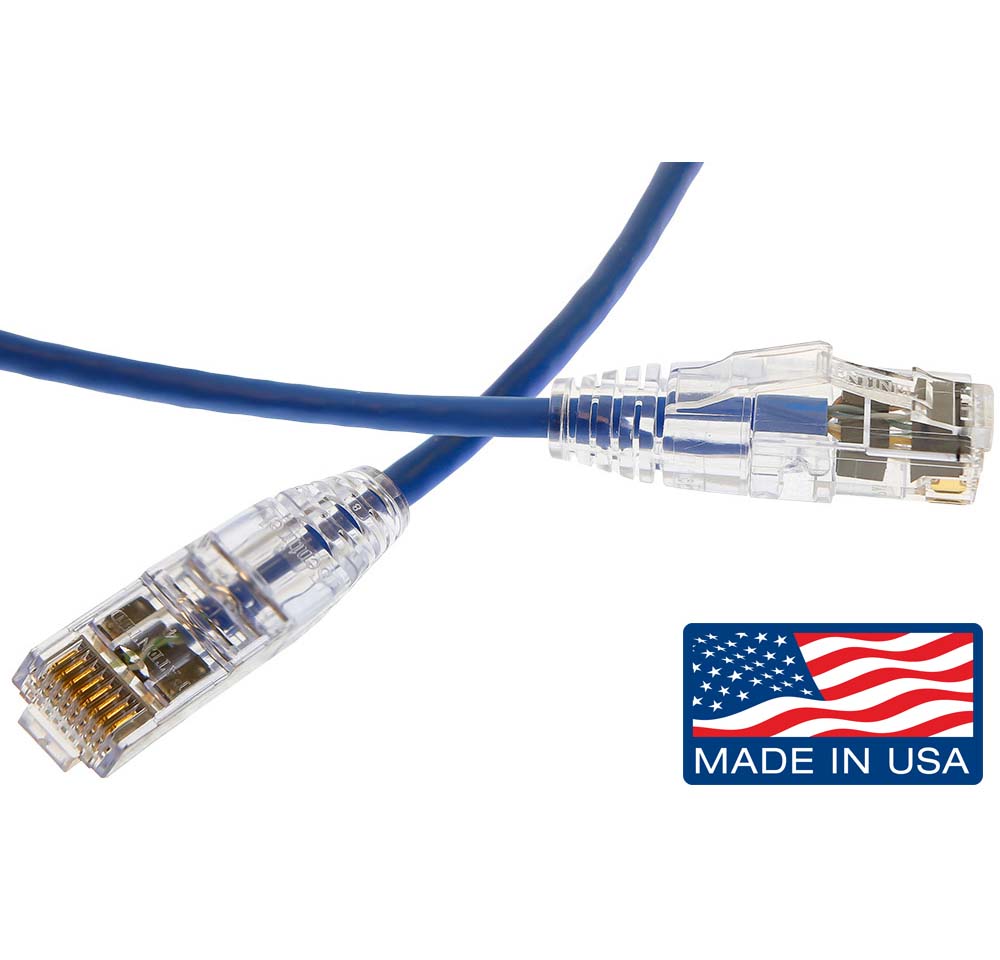
Our Mini 6 patch cords are engineered to be 30% thinner than standard Cat6 cables. The slimmer OD means tighter routing, smaller cable bundles, and faster, cleaner installs—especially in high-density racks, horizontal managers, and crowded pathways.
This tutorial walks through best practices for planning, dressing, and testing Mini 6 so you can realize the full benefits without sacrificing performance.
Why Mini 6
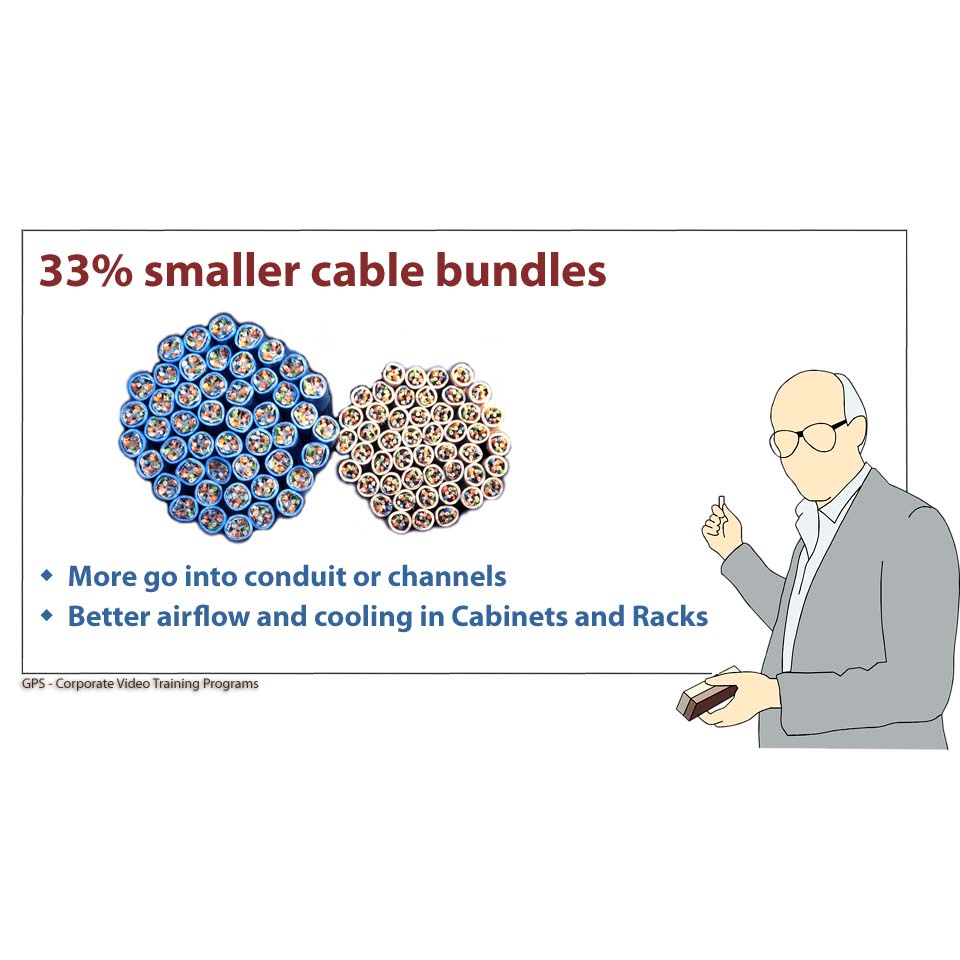
- Smaller bundles — 33% thinner OD reduces bulk in managers and under-floor trays.
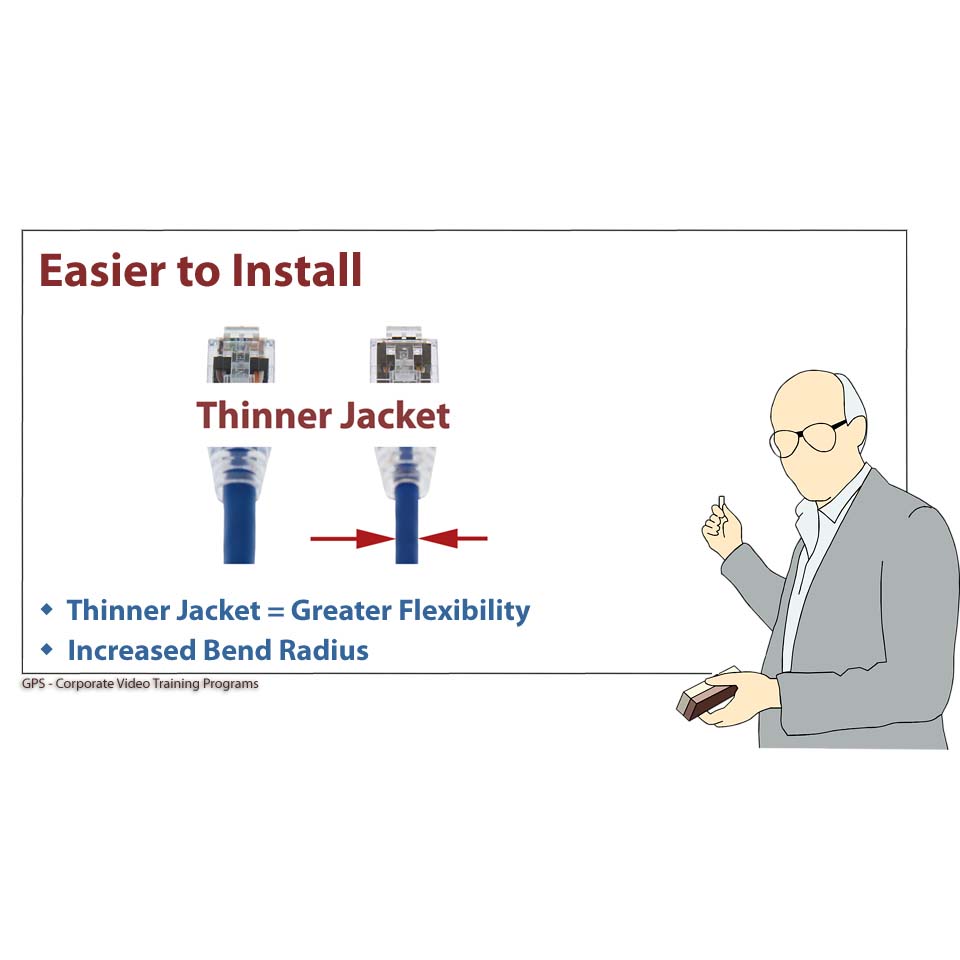
- Easier installation — lighter pulls, tighter turns, and simpler pathway sharing with power and fiber separators.
- Higher rack density — improves access to ports and labeling in 1U/2U panels.
- Better airflow — slimmer looms reduce blockage in front-of-rack intakes.
- Clean cable dressing — neater radii in vertical/horizontal managers and lacing bars.
What you’ll learn
- Pathway planning — sizing managers and tray fill with slimmer cables.
- Bend-radius discipline — maintaining spec while taking advantage of the smaller OD.
- Bundling & strain relief — Velcro vs. ties, anchor points, and service loops.
- Panel layout tips — color-coding, label visibility, and MAC (moves/adds/changes) speed.
- Verification — continuity/certification checks and documenting results.
At a glance
- 30% thinner than standard Cat6 for compact routing
- Smaller cable bundles for easier management and improved airflow
- Easier installation with reduced weight and tighter dressing