

The Ball That Talks:
The FIFA World Cup 2026 is already historic. For the first time
Learn More →

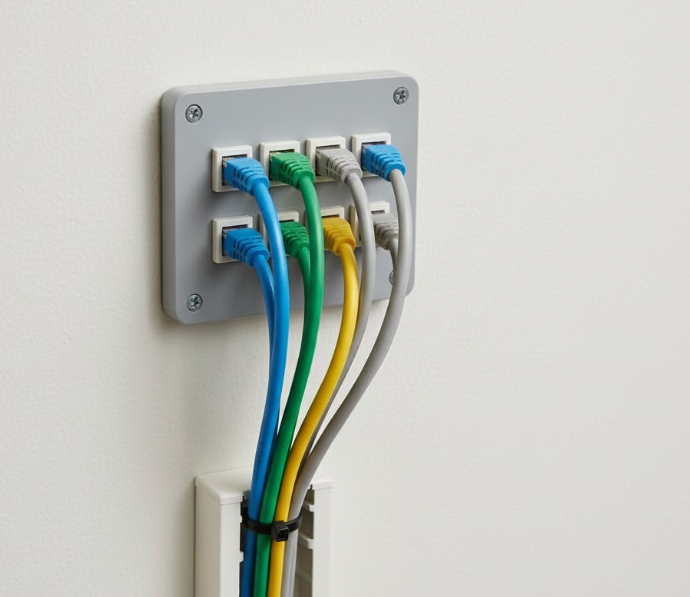
In the realm of structured cabling, where voice communication, digital information, and HD video all come together, both flexibility and standards are critical. The Keystone Wall Plate is a seemingly straightforward part that serves as the foundation for an adaptable and future-proof connectivity solution in residences, workplaces, and commercial buildings with a certain aesthetic. As the starting point for any specialty-designed network, the keystone wall plate is far more adaptable than your typical electrical outlet.
Understanding the potential of keystone wall plates is the first step toward a more organized digital existence when you’re planning a new build, upgrading your networking environment, or simply tired of cluttered cords.
A keystone wall plate is a standardized faceplate, typically made of plastic/stainless steel, designed to house keystone jacks, the interchangeable inserts that provide the actual connection port. Keystone wall plates are used for different types of cables, such as optical fibers, coaxial, and HDMI, etc. Keystone is a universally sized shape of the porthole, which is typically between 14.5 mm (about 0.57 in) and 16 mm (about 0.63 in).
These plates neatly attach to a low-voltage mounting bracket, electrical junction box, or surface-mount box on a wall, providing a clean, aesthetic cover for the terminated cables behind the drywall.
The true genius of the keystone system lies in its ability to mix and match different connection types into a single, cohesive wall plate. This modularity translates to a consolidation point for multiple services, such as data, video, and audio, all into one organized location.
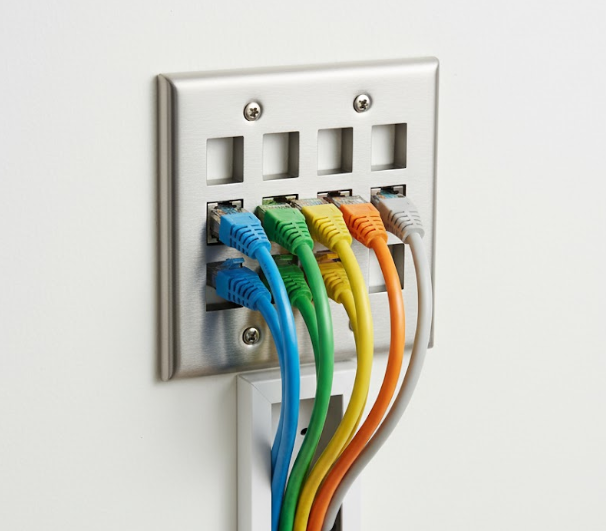
Keystone for networking and data:
The most common application of keystone is for network and data cabling. Ethernet keystone jacks are available for Cat5e, Cat6, and Cat6a topologies, amongst other categories. These wallplate connectors come in tool-less designs for simpler installation or can be terminated with a punch-down tool. For today’s bandwidth-hungry applications, this gives your network a reliable, fast, and clean termination point.
Audio-Visual Integration:
HDMI®: For high-definition video and audio from devices like media streams, gaming consoles, and computers.
Coaxial (F81 connector): For cable TV, satellite, or antenna connections.
RCA & Speaker Wire (Banana Plug): For connecting stereo equipment, subwoofers, and surround sound speakers.
Voice and other connections:
Keystones also support a variety of low-voltage applications, such as
Fiber optic: For high-speed connection and data transmission
Telephone: The traditional POTS lines that use 6p4c modular connectors
USB: For device charging or data connection
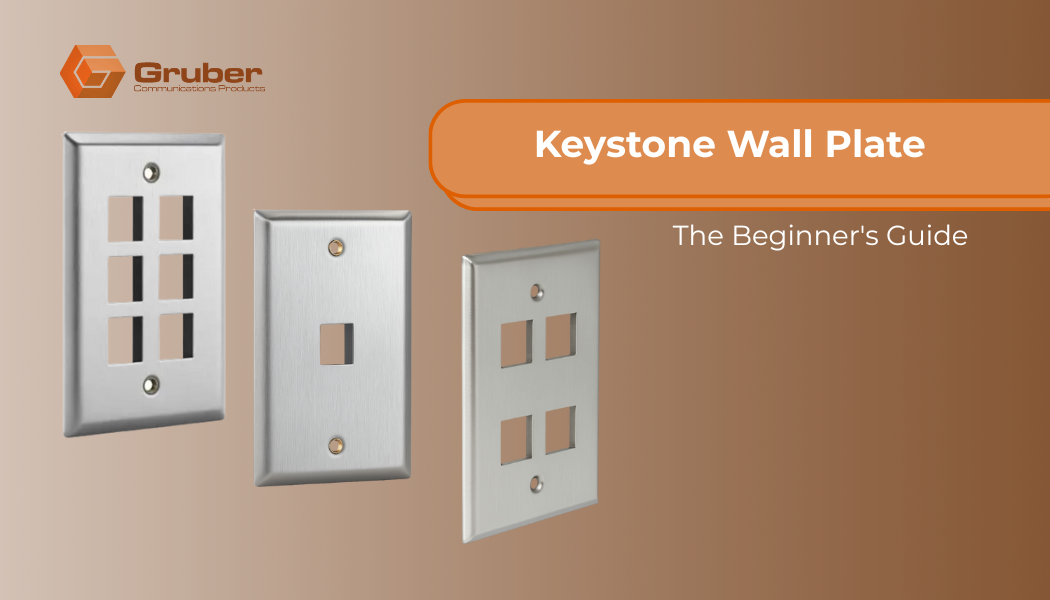
The keystone wall plates are primarily categorized by the number of ports and the gang size
A single-gang keystone wall plate is the standard size, designed to cover a single electrical box (or a low-voltage mounting bracket).
Size: It has the same dimensions as a standard single light switch or single duplex outlet plate.
Keystone Ports: Due to its size, it can accommodate a limited number of keystone jacks, typically ranging from 1 to 6 ports. The most common configurations are 1, 2, 4, and 6 ports (with 6 being the typical maximum for a single gang plate).
Use Case: Ideal for locations that need a small number of connections, such as a single desk, a TV connection point, or a dedicated line for a phone/fax machine.

A double-gang keystone wall plate is twice the width of a single-gang plate, designed to cover a double electrical box (or two single boxes side-by-side).
Size: It has the same dimensions as a double light switch or double duplex outlet plate; it is double the width of a single gang plate.
Keystone Ports: Because of its larger size, it can hold a greater number of keystone outlets. The most common configurations are 8 and 12 ports (with 12 being the typical maximum for a double-gang plate).
Use Case: Ideal for locations requiring high-density connectivity, such as:
 What are the key benefits of using Keystone wall plates?
Keystone wall plates provide a key combination of modularity, organization, and future-proofing for any network, audio, or video setup. With their flexibility, clean aesthetics, and reliable performance, they are essential for both residential and commercial installations. To meet your unique requirements, Gruber Communication Products provides premium customized keystone wall plates made in your material of choice. Get in touch with Gruber Communication Products today to improve your connectivity setup and receive personalized solutions and knowledgeable advice on the best keystone options in the marketplace.
Call us at 800.658.5883 or 602.863.2655, or email support@gruber.com
The FIFA World Cup 2026 is already historic. For the first time
Learn More →
The world’s eyes are on North America as FIFA World Cup 2026
Learn More →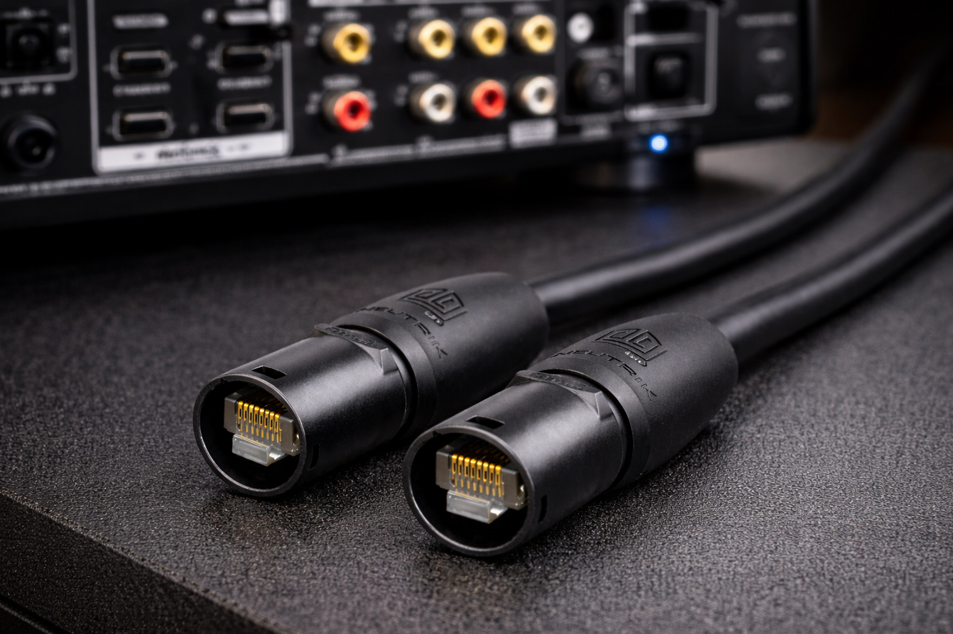
In professional live events, broadcast production, and mission-critical networking, the quality of
Learn More →