

The Ball That Talks:
The FIFA World Cup 2026 is already historic. For the first time
Learn More →


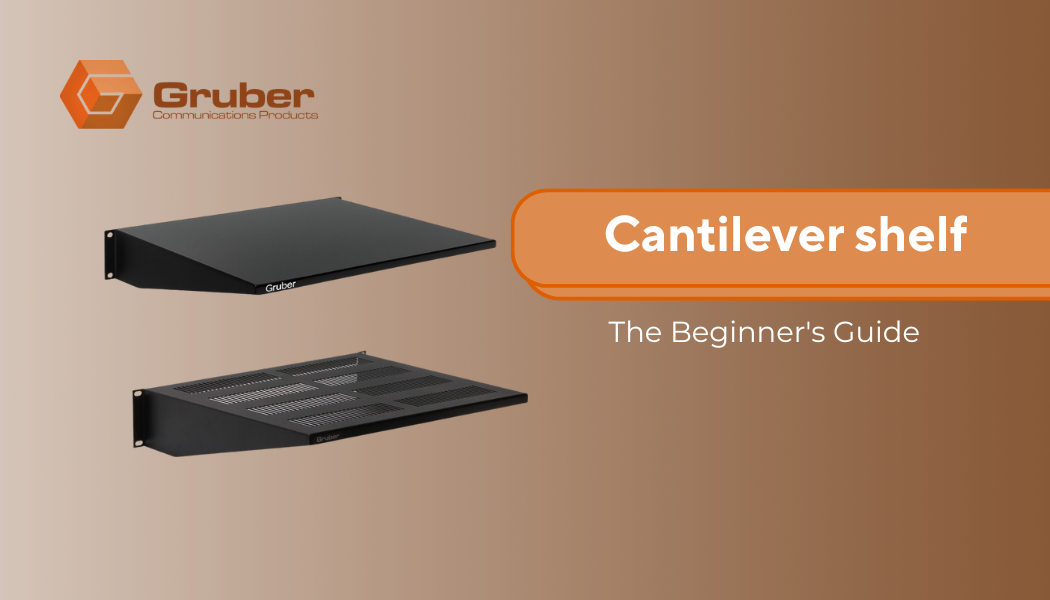
Every inch of rack space matters when it comes to setting up servers, networking gear, and other IT devices. Cantilever shelves are a flexible and useful option for equipment racks, enabling data centers, server rooms, and IT closets to effectively store equipment while preserving accessibility and improving airflow. This guide explores the types, benefits, and best practices of cantilever shelves for servers.
A cantilever shelf is a horizontal support surface that extends into the rack without front posts or supports and is installed on one side. Cantilever shelves offer unobstructed storage space, which makes it simple to arrange servers, networking equipment, or peripherals, in contrast to fixed or conventional shelves.
These shelves are frequently used in server racks to store non-rack-mountable hardware, including tiny switches, routers, modems, UPS units, desktop computers, and other IT devices. Additionally, cantilever shelves can hold bulky or asymmetrical objects that don’t fit into typical 1U or 2U rack-mounted arrangements.
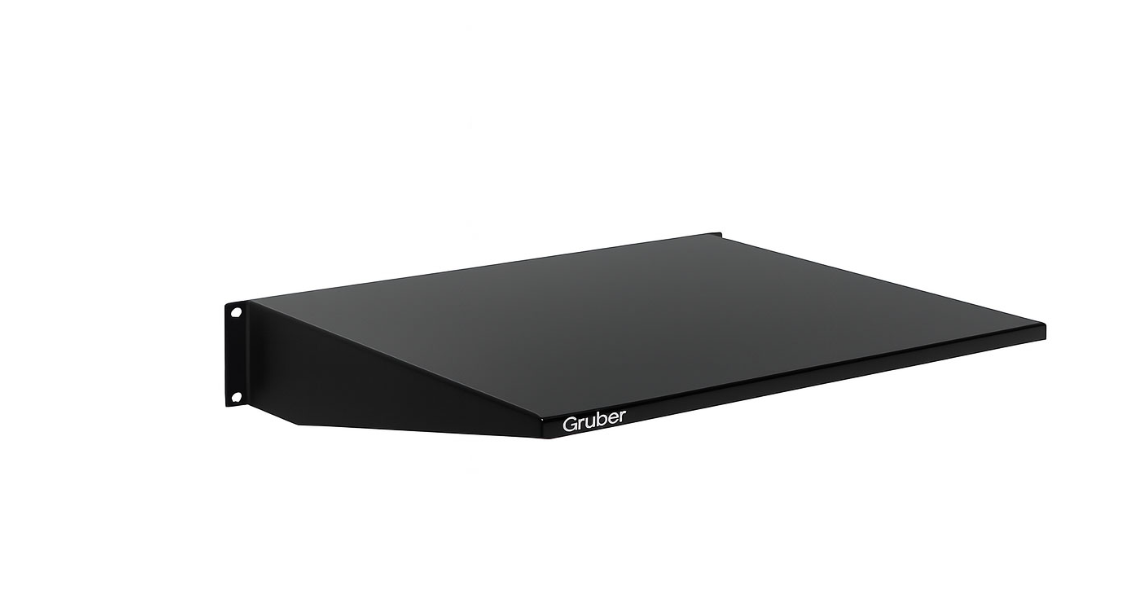
The most popular kind of shelf seen in networking cabinets and server racks is the standard cantilever shelf. They offer a strong foundation for equipment without typical rack-mount brackets and firmly fasten to the rack frame. These shelves, which are usually made of steel or aluminum, combine strength and lightweight design. Depending on the manufacturer, they can carry moderate to heavy loads, which typically range from 50 to 200 lbs.
Versatility: Able to accommodate non-rackmount devices, including media devices, tiny servers, and external hard drives.
Durability: Long-term use in data centers or industrial settings is possible with high-quality steel variants.
Simple Installation: Usually fastened straight to vertical rack rails using included hardware.
Stable Platform: Ensures safe storage by preventing equipment from slipping or tipping.
For equipment that doesn’t need specific characteristics like ventilation or additional depth, standard cantilever shelves are a smart choice; they are frequently seen in industrial cabinets, labs, audio-visual racks, and IT closets.
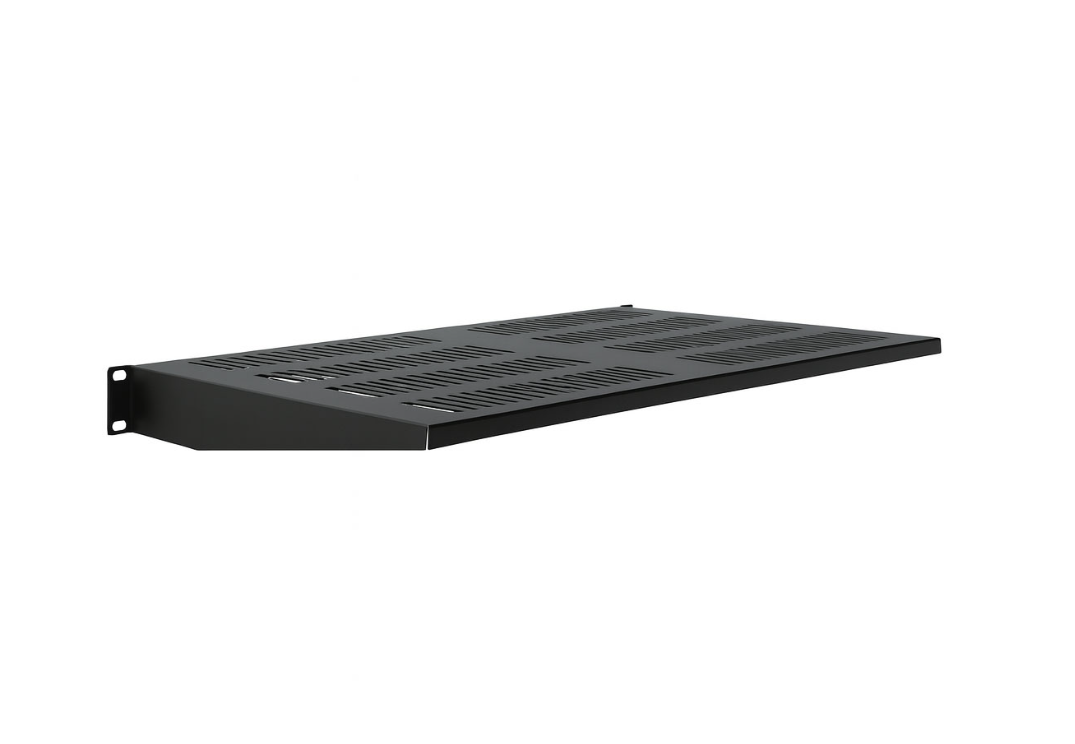
Vented cantilever shelves are made especially to deal with the problems associated with heat management in network and server settings. These shelves have gaps or perforated surfaces that let air easily move around the equipment. Maintaining the longevity and functionality of delicate electronics depends on effective ventilation.
Enhanced Cooling: By allowing hot air to escape through the bottom of the equipment, the perforations help to avoid heat accumulation.
Supports Active Equipment: Perfect for UPS systems, network switches, routers, and small servers that produce heat but cannot be installed directly on rack rails.
Extended Equipment Lifespan: Minimizes hardware failure and downtime by lowering temperature stress on components.
Lightweight and useful: Adds ventilation without sacrificing load capacity while preserving the durability of conventional shelves.
When several devices are stacked together in data centers, server rooms, and network closets, vented cantilever shelves are frequently utilized. They supplement rack-mounted cooling techniques like fans or CRAC (Computer Room Air Conditioning) units by increasing airflow.
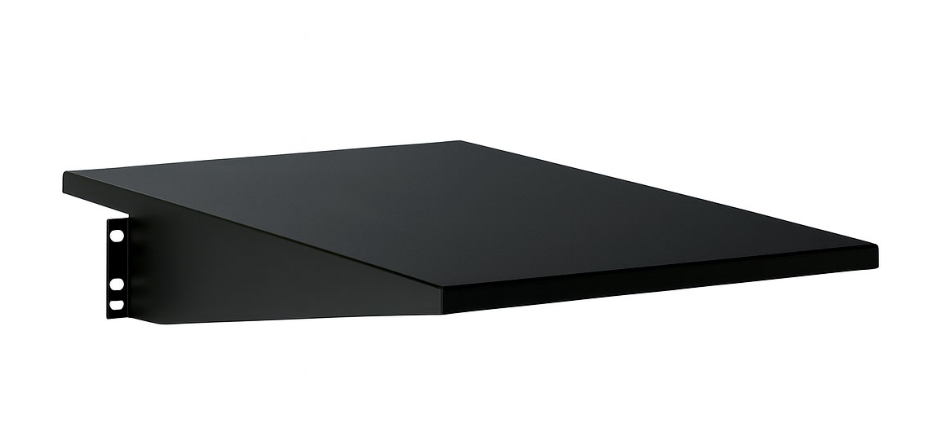
Deep cantilever shelves offer more front-to-back areas to securely hold bigger devices and are intended for equipment that is larger than the typical shelf depth. These shelves are ideal for peripheral devices that are larger than regular cantilever shelves, backup power systems, and non-standard servers.
Extra Depth: Provides additional room from front to rear, reducing the possibility of equipment tipping over.
Adaptable Use: Accommodates large UPS units, cable management trays, and accessories such as storage arrays or AV devices.
Secure Placement: Prevents sliding and gives heavy or asymmetrically shaped equipment a stable surface.
Improved Rack Organization: It aids in maintaining tidy cabling and airflow control within the rack by enabling the correct positioning of deeper equipment.
Deep cantilever shelves are the best option when large or strangely shaped devices need extra support or when equipment cannot be placed using regular rack rails. They are frequently utilized in AV racks, server rooms, data centers, and industrial automation systems.
In server settings, cantilever shelves are a good choice for a variety of applications:
Desktop Servers: Offers a remedy for servers that cannot be installed directly on rack rails.
Network equipment: Modems, switches, routers, and A/V switching products.
UPS and backup power units: Provides a safe location for large, non-rackmountable power equipment.
Peripheral Devices: External hard drives, displays, and other IT accessories
Cable management: Provide a sturdy surface for power strips, cable trays, and organizing supplies.
Choosing the right cantilever shelf, whether standard, vented, or deep, plays an important role in maintaining a safe, organized, and efficient rack setup. Each type offers unique benefits, from the sturdy support of standard shelves to the improved cooling of vented models and the extra capacity of deep shelves. At Gruber Communication Products, we understand the demands of modern network and server environments. That’s why we offer a full range of high-quality rack accessories designed to enhance performance, reliability, and ease of installation.
Our cantilever shelves offer the strength and adaptability required to confidently hold your equipment, whether you’re constructing a new rack system or updating an old one. Discover durable rack solutions supported by decades of industry experience by looking through our inventory today.
Have questions about choosing the right cantilever shelf or other rack accessories for your setup? Give us a shout, our team is here and ready to help you and your team source the best solution for your application!
Call us: 800.658.5883
Email: support@gruber.com
The FIFA World Cup 2026 is already historic. For the first time
Learn More →
The world’s eyes are on North America as FIFA World Cup 2026
Learn More →
In professional live events, broadcast production, and mission-critical networking, the quality of
Learn More →