
The Ball That Talks:
The FIFA World Cup 2026 is already historic. For the first time
Learn More →

For many years, coaxial wire has been one of the most reliable ways to send data, video, and audio signals. Coaxial cable is still necessary in many different businesses despite the expansion of fiber optics and wireless connections. It is an excellent option for everything from television systems to security monitoring because of its robustness, shielding, and signal stability. Coaxial cable offers long-term performance, flexibility in installation, and cost savings when purchased in large quantities. To help you make wise choices for your upcoming project, this blog examines the advantages, applications, and salient characteristics of coaxial cable.
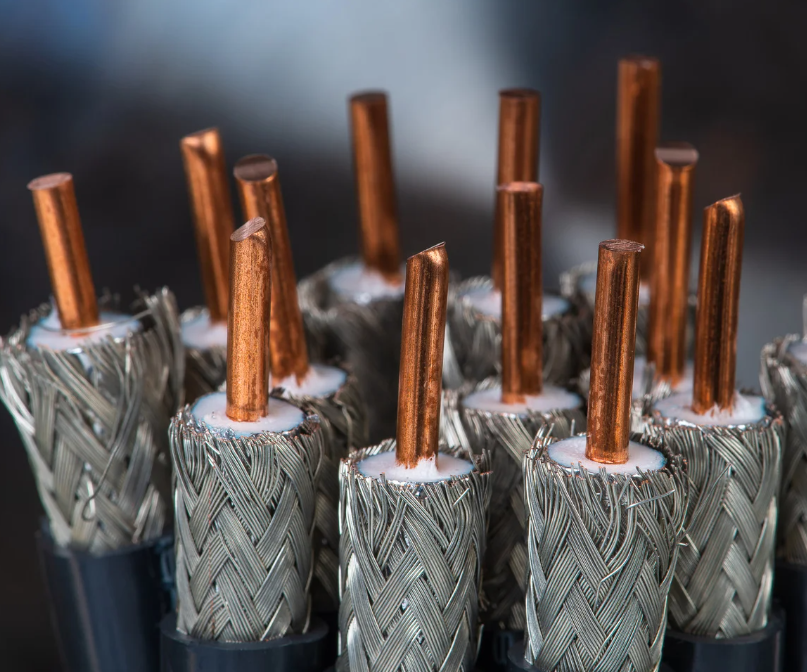
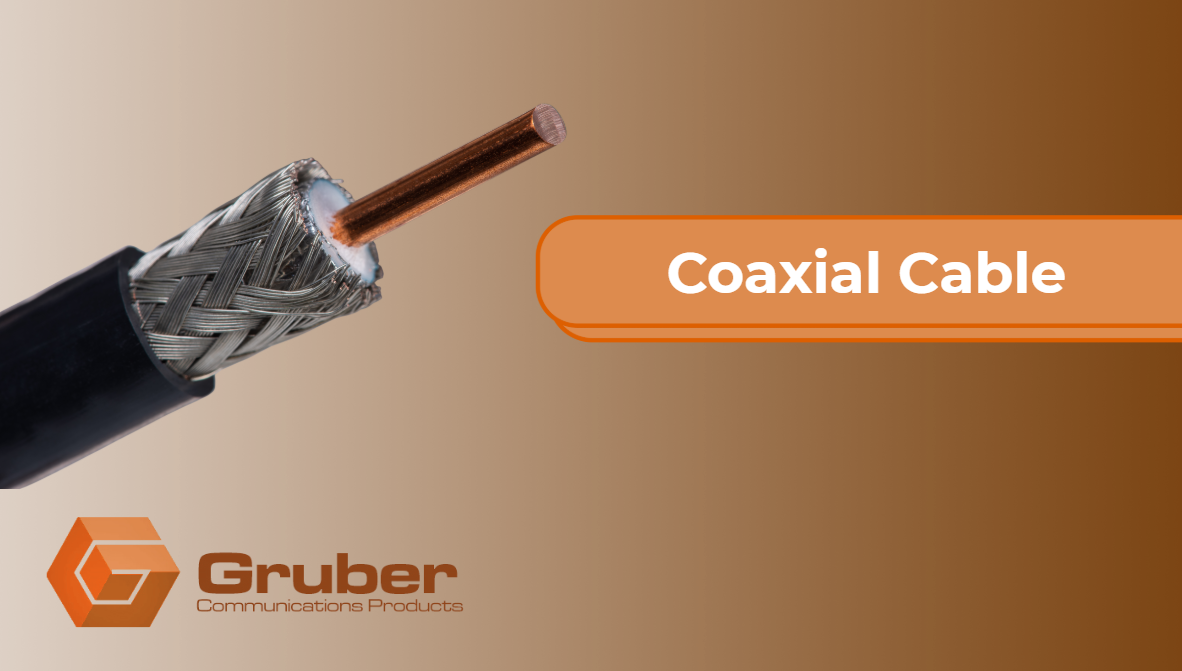
Coaxial cable, often referred to as “coax,” is designed with a layered structure that keeps signals stable and protected. These cables consist of a central copper conductor surrounded by insulating dielectric material. Wrapped around is a metallic shield, which is usually a copper or aluminum braid, which helps to block electromagnetic interference (EMI). The cable is then covered by an outer jacket to protect against environmental conditions. This combination of layers ensures that the transmitted signals will remain isolated within the construction.
Unlike twisted pair cables that use differential signaling, coaxial cables typically transmit signals in a single path, making coax a popular selection for video, radio frequency, and broadband applications. Its stability and resistance to interference make it ideal for clear and reliable communication over a long distance.
Enhanced Signal Integrity: These cables are known for their low signal loss, even across long distances. The shielding prevents EMI and radio frequency interference (RFI), making the cable ideal for environments that are filled with electronic devices. For applications such as security surveillance, television distribution, and broadband internet, maintaining a powerful signal quality is critical; in other words, coaxial cables are built for this reliability.
Durable and long-lasting Build: Coaxial cables are usually designed to withstand years of use. The outer jacket protects the cable from physical stress, and UV-resistant versions are specifically made for outdoor environments. For industrial settings, both ruggedized and armored options are available which can help protect against impact, moisture, and chemical exposure. When these cables are installed properly, coax solutions often last decades without performance degradation.
Versatility Across Industries: Whether you’re wiring your home, office, a stadium, or a factory, coax cables can help with multiple purposes in different settings to support multiple technologies. Coaxial cables can be used for video, RF transmission, broadband networks, and even some audio systems. Its ability to handle a wide range of frequencies makes it valuable in both analog and digital environments.
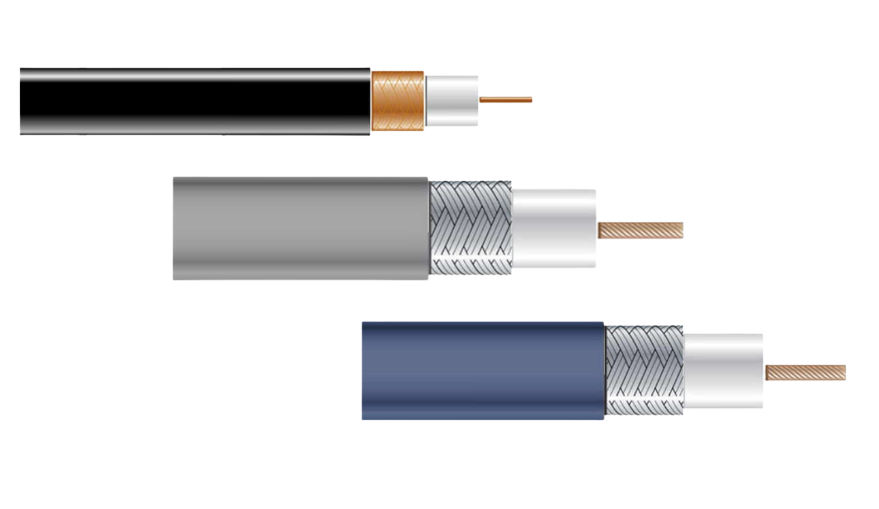
Choosing the right RG type is essential:
Each RG rating corresponds to different impedance and diameter specifications, so your application will determine the best choice.
Shielding affects performance and interference protection:
Quad-shielded coax is preferred for cable TV, satellite systems, and dense urban settings.
The cable’s performance depends heavily on conductor type:
Building codes often dictate the jacket type:
For external installations, look for:
At Gruber Communications, we supply a wide selection of high-quality coaxial cables engineered for professional performance. Our cables feature high-grade shielding, durable jacket components, and industry-standard materials to ensure you get dependable performance in every installation.
Whether you need RG6 for CATV signal distribution, RG59 for camera systems, or specialized LMR® coax for broadband RF applications, our products are manufactured to deliver durability, signal integrity, and long-term reliability.
Explore our full line of coaxial cable products here: Home – Gruber Communications
Contact us today at 800.658.5883 or 602.863.2655 or email support@gruber.com to talk with one of our product experts and select the right coaxial cable for your next project!
The FIFA World Cup 2026 is already historic. For the first time
Learn More →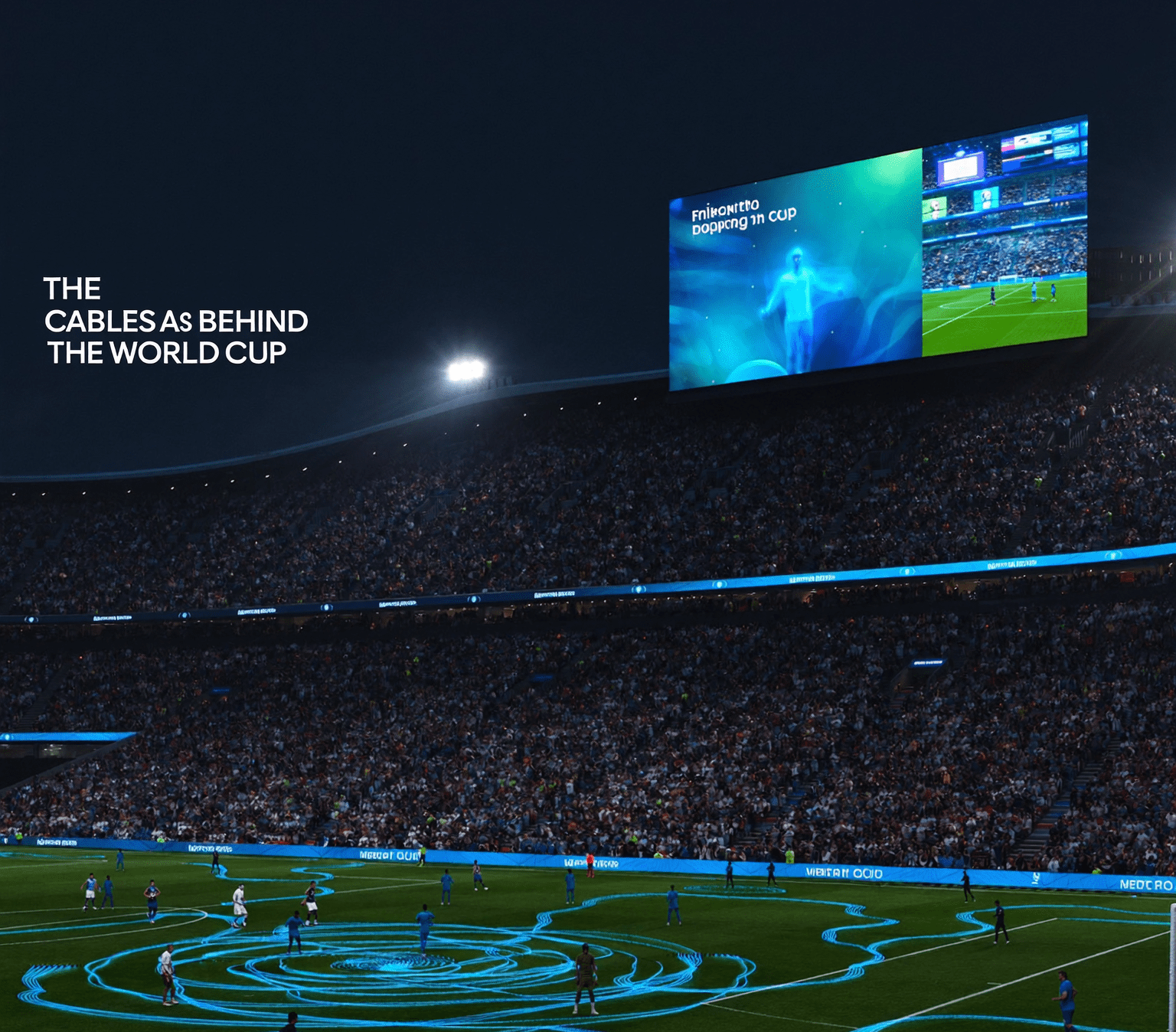
The world’s eyes are on North America as FIFA World Cup 2026
Learn More →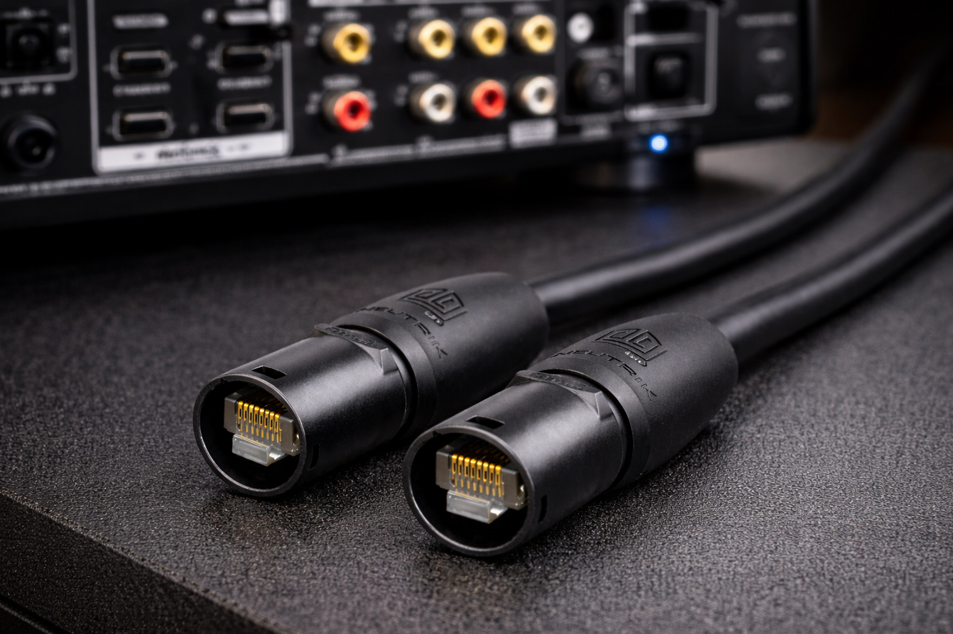
In professional live events, broadcast production, and mission-critical networking, the quality of
Learn More →