Neutrik etherCON® Assemblies: Unlock
In professional live events, broadcast production, and mission-critical networking, the quality of
Learn More →

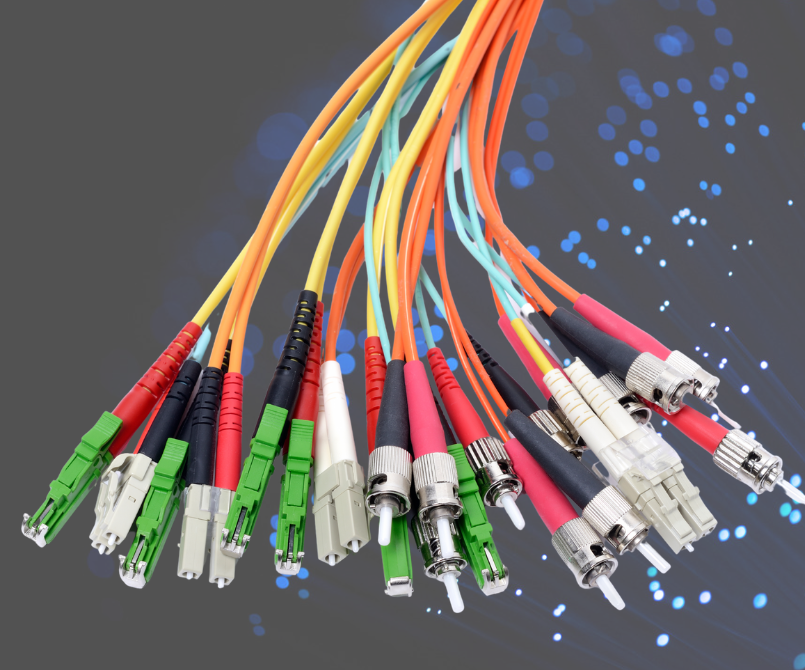
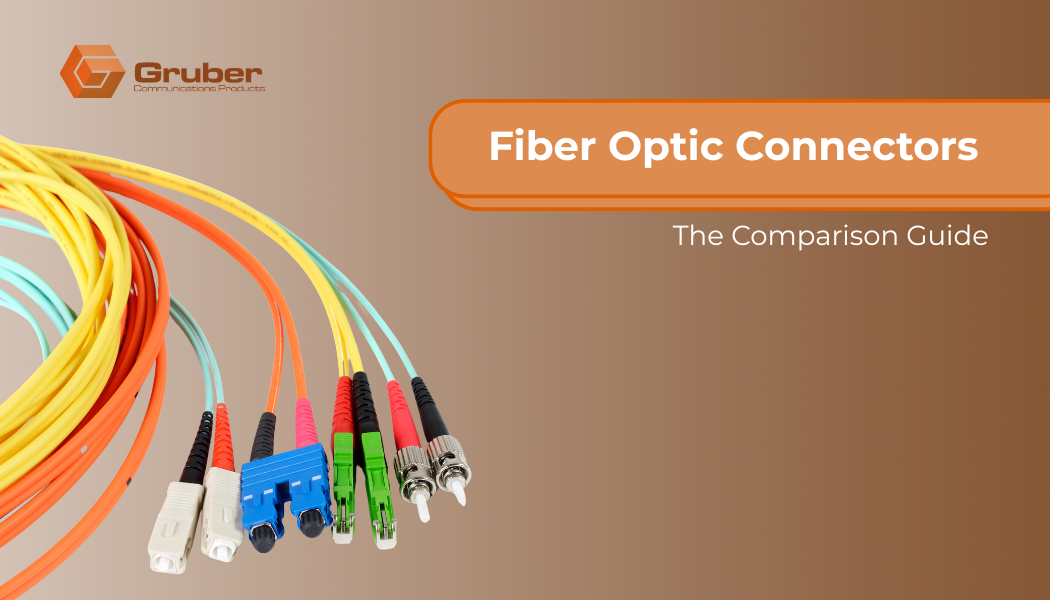
Fiber optic technology continues to evolve as organizations demand faster data speeds, improved reliability, and expanded bandwidth capacity. The performance and endurance of your system are greatly impacted by the choice of fiber connector, whether you’re building a new fiber infrastructure or upgrading an existing network. The three most well-known and often utilized connection types among the many that are currently available are LC, SC, and ST. Each has special features, advantages, and perfect applications.
This in-depth guide explores the key differences between LC, SC, and ST connectors, how they work, and where they are most deployed, helping you make the right choice for your applications.
A fiber optic connector is a precise mechanism that joins and aligns optical fibers to allow light signals to be transmitted with the least amount of loss. A correctly terminated connector guarantees low insertion loss, steady performance, and dependable long-term operation.
Precise alignment: The ferrule maintains the fiber core’s centering, ensuring optimal light transmission.
Protection: The connector protects the delicate glass fiber end face.
Interchangeability: Standardized connectors allow easy mating with patch panels, transceivers, and equipment.
Serviceability: Fiber connectors make it possible to quickly connect, disconnect, test, and reconfigure a network.
Choosing the appropriate connector type is crucial for optimizing network efficiency because it directly affects signal quality, particularly in high-density or high-performance settings.
An LC fiber connector, short for Lucent Connector or Little Connector, is a compact, high-performance fiber optic connector designed for modern, high-density network environments. Its 1.25mm ceramic ferrule, which is half the size of more traditional connectors like SC and ST, enables higher-density racking solutions within constrained rack and panel spaces. In modern data centers, telecom networks, and enterprise infrastructures, LC connections have emerged as the most popular fiber connectors due to their small-form-factor design.
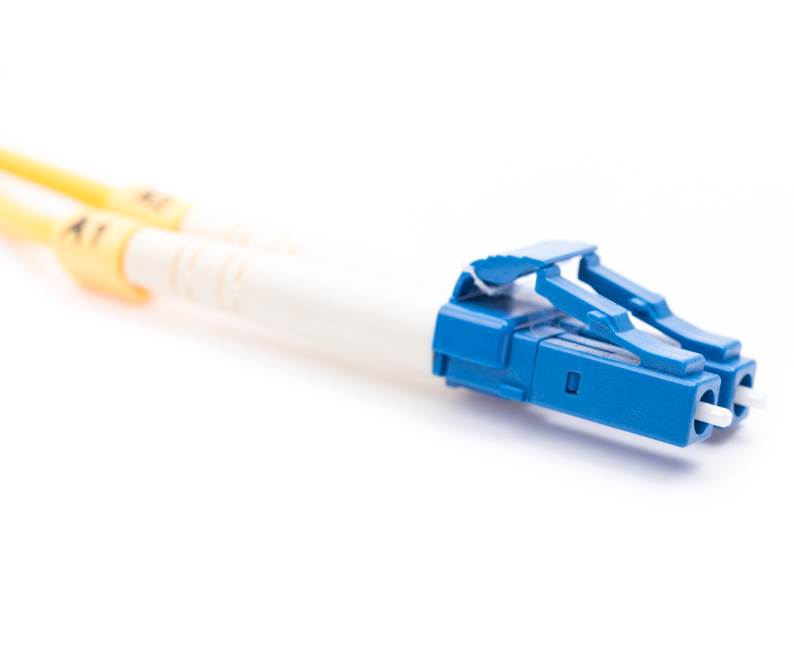
LC connectors are especially suitable for high-bandwidth applications where equipment space is limited.
An SC fiber connector, short for Standard Connector, is a widely used fiber optic connector known for its durability, reliability, and ease of use. In contrast to the smaller LC connector, the SC offers stable, low-loss optical connections and is simple to attach and disconnect thanks to its bigger 2.5mm ferrule and push-pull locking mechanism. Fiber-to-the-home (FTTH) applications, enterprise networks, and telecoms all frequently use SC connectors.
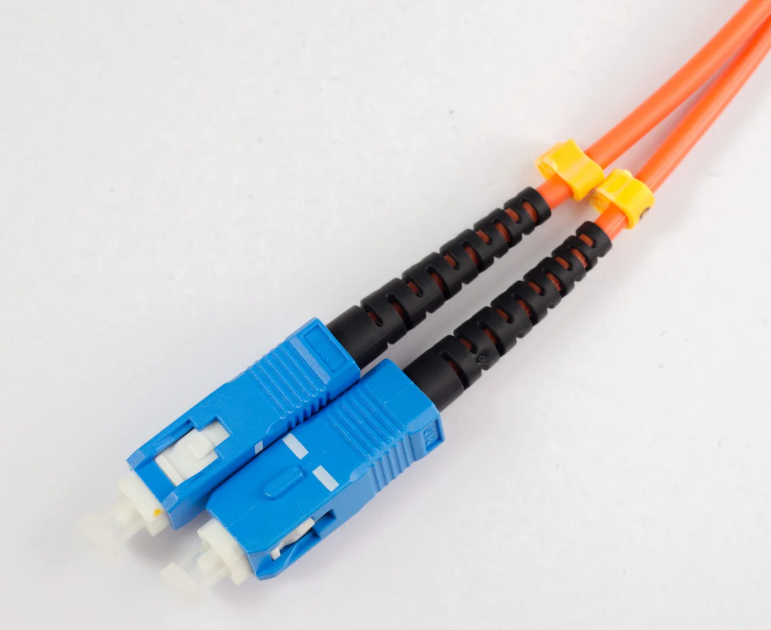
Although the SC connector is larger, its reliability still makes it a preferred choice in many telecom and enterprise environments.
SC remains a dependable connector for applications that don’t require extremely high port density but benefit from robust, proven performance.
An ST fiber connector, short for Straight Tip connector, is a legacy connectivity solution and one of the most recognizable fiber optic connectors in our industry. It features an industry-standard 2.5mm ferrule, a circular body, and a safe twist-lock mechanism in a bayonet-mating style. Although they are less prevalent nowadays in contemporary data centers, ST connectors are nevertheless frequently used in legacy systems, laboratory setups, and vibration-prone situations. They were also widely utilized in earlier LANs, campus networks, and industrial settings.
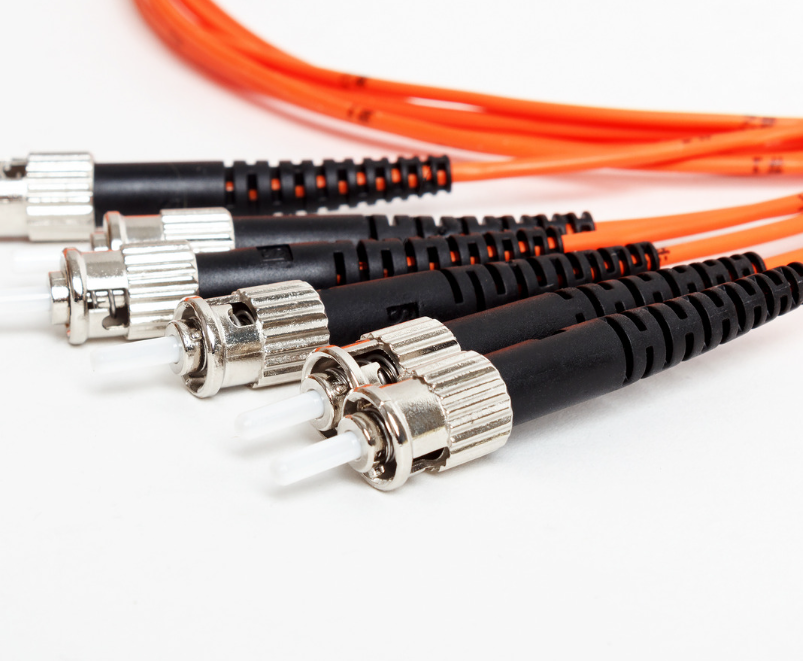
While ST connectors offer excellent durability, their larger size and bulky design make them less favorable for modern high-density networks.
|
Feature |
LC | SC | ST | |
|
Ferrule Size |
1.25 mm |
2.5 mm |
2.5 mm |
|
|
Connector Size |
Smallest |
Medium |
Medium/Large |
|
|
Locking Mechanism |
Latch |
Push-pull |
Twist & lock |
|
|
Density |
Highest |
Moderate |
Lowest |
|
|
Ease of installation |
Easy |
Easy |
Moderate |
|
| Fiber Types | SM & MM | SM & MM |
MM |
Fiber optic networking uses LC, SC, and ST connectors for different purposes. While SC connectors are still commonly used in telecom, data centers, and FTTH networks, LC connectors are now the favored option for contemporary, high-density, high-speed systems. Even though they are older, ST connections can still be useful in legacy installations and industrial settings where compatibility and endurance are crucial.
Choosing the right connector type ensures optimal performance, easier maintenance, and long-term scalability for your network. By understanding how each connector works and the environments where it performs best, you can design a fiber infrastructure that supports both your current and future connectivity requirements.
At Gruber Communication Products, we manufacture and supply a wide range of fiber optic assemblies, including LC, SC, and ST connectorized solutions, that can be customized to your exact length, jacket type, and application requirements. With over 40 years of industry leadership, Gruber is your trusted partner for fiber optic solutions, manufacturing custom assemblies at our dedicated cable assembly facility in Phoenix, Arizona.
Contact us today at 800.658.5883 or 602.863.2655 or email support@gruber.com to talk with us about your customized fiber assembly requirements and to get expert guidance on selecting from our high-quality solutions for your next connectivity project!
In professional live events, broadcast production, and mission-critical networking, the quality of
Learn More →
Efficient cable management is essential in today’s data centers, telecom rooms, and
Learn More →