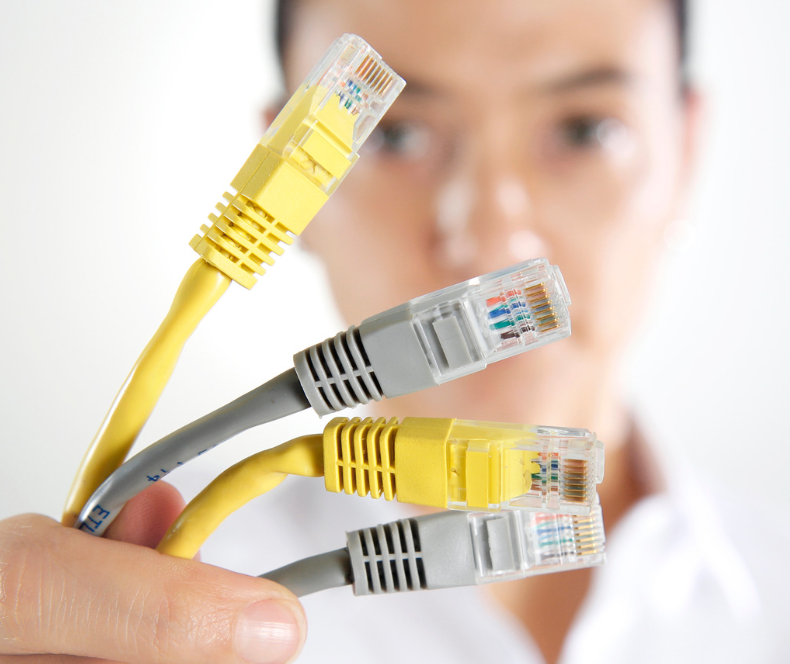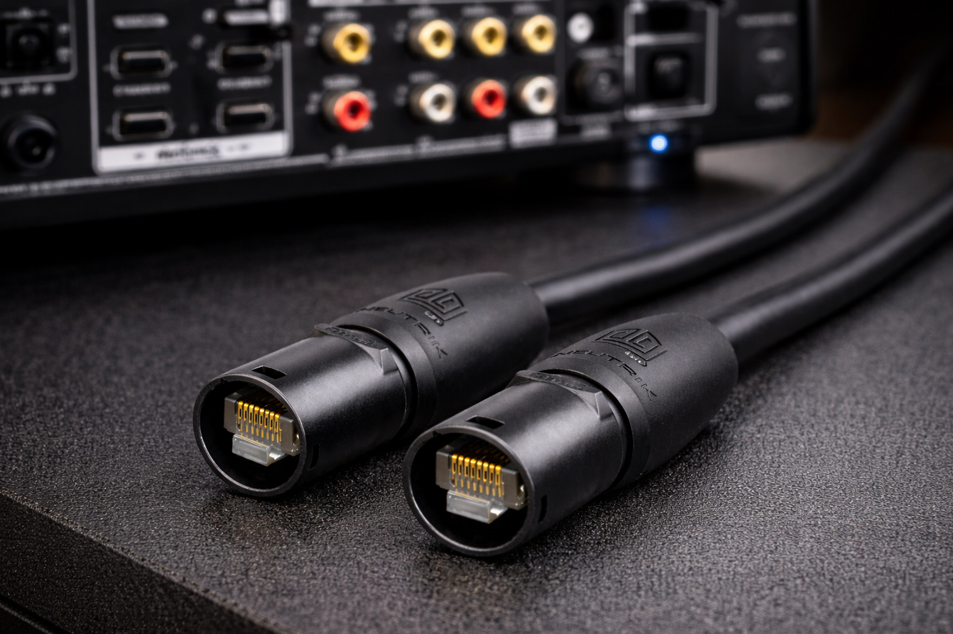
Neutrik etherCON® Assemblies: Unlock
In professional live events, broadcast production, and mission-critical networking, the quality of
Learn More →

When you think about the technology that powers your daily life, you might think of your smartphone, a fast Wi-Fi connection, or maybe even an electric car. However, behind all these innovations lie something that is often overlooked: low-voltage cables.
Low-voltage cables are the hidden lifelines of modern infrastructure. As the world moves towards smarter cities, greener energy, and faster data, the role of these assemblies is becoming increasingly important.
Low-voltage cables are electronic cables typically designed to operate at 90 volts or less. Also known as network wiring or structured cables, these cables differ from standard electric conductors, which typically handle much higher levels. Low-voltage cables are commonly used for telecommunications, audio/visual equipment data transmission, security, and various other applications where high-voltage wiring is unnecessary. Unlike high-current-capacity cables used for power distribution and heavy machinery, low-voltage cables reduce shock hazards, making them a safer choice for modern communication systems. These cables are more important than ever before due to advanced technologies like IoT, Power over Ethernet (PoE), LED, and high-speed data transmission.
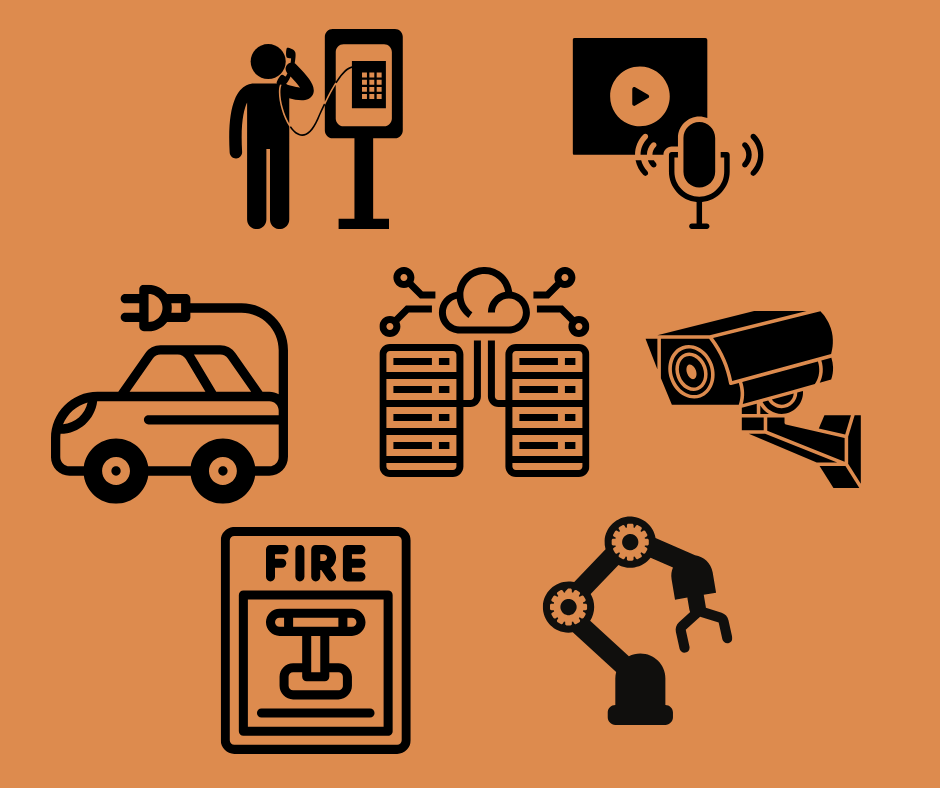
Low-Voltage cable applications:
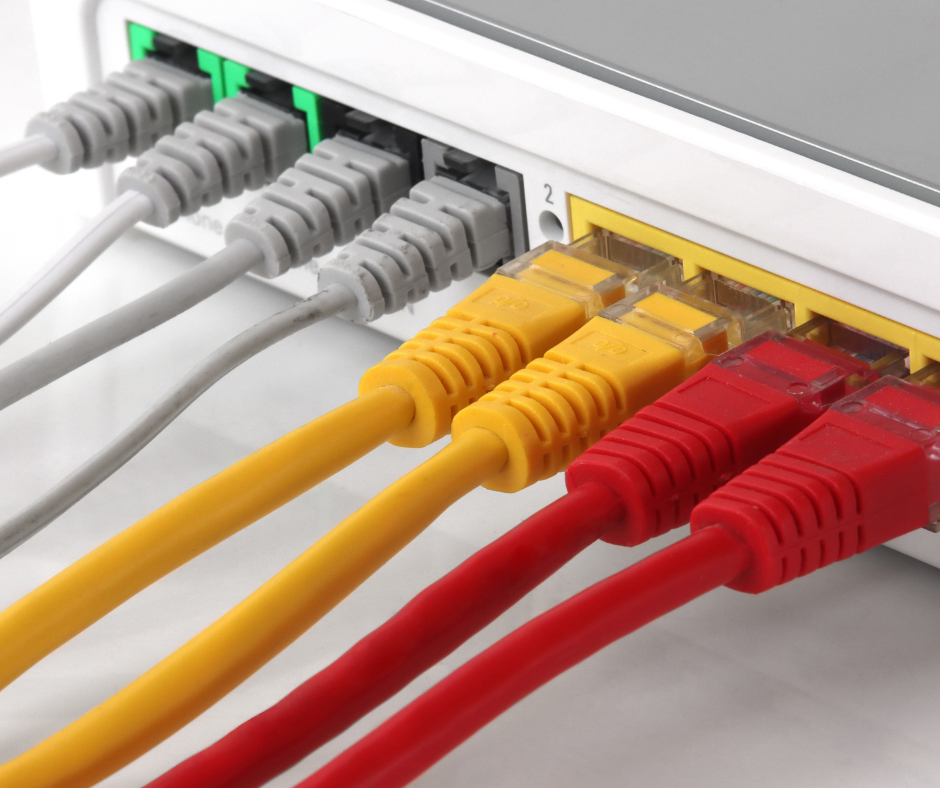
Data Transmission Networks: Cat5e, Cat6, and Cat6a power Ethernet and network communications, ensuring fast, low-latency connections with minimal interference.
Telephone and VoIP Systems: Low-voltage cables are used for telephones and Voice over Internet Protocol (VoIP) to transmit voice signals. These cables ensure uninterrupted communication by providing voice signals without excessive interference.
Power over Ethernet (PoE): PoE allows a single Ethernet cable to carry both the digital data and power to devices such as IP phones and security cameras. This simplifies installation by eliminating the need for multiple cables.
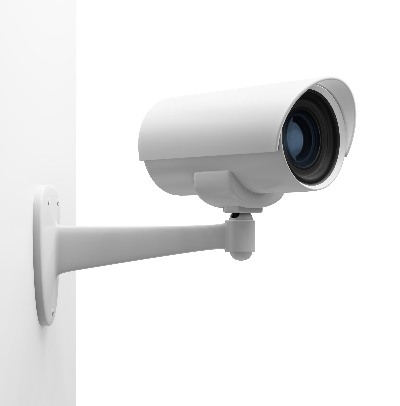
Security and surveillance: These systems greatly rely on low-voltage cables to operate efficiently, safely, and reliably. They are designed to monitor, protect, and manage access to facilities, buildings, and other sensitive areas. Depending on the system type, these may include coaxial cables for analog CCTV, twisted-pair Ethernet cables with PoE for IP cameras, and multiconductor cables or shield cables for alarms.
Audio-Visual System: LV cables transmit audio, video, and control signals safely and with minimum interference, supporting modern AV environments, where reliable signal transmission and system efficiency are critical. They are used in theaters, digital boards, conference rooms, and smart TV systems.
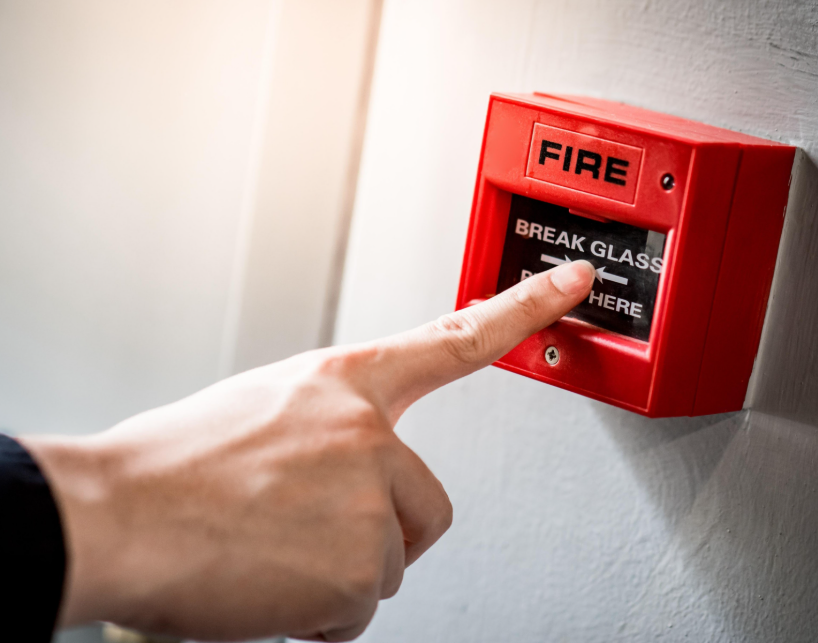
Fire Alarm System: LV cables connect devices like smoke detectors, heat sensors, and the alarm control panel. They carry signals quickly so that the alarm goes off immediately if there is a fire.
Building Automation Systems: Low-voltage cables help smart buildings (“talk”) to all their systems safely and efficiently.
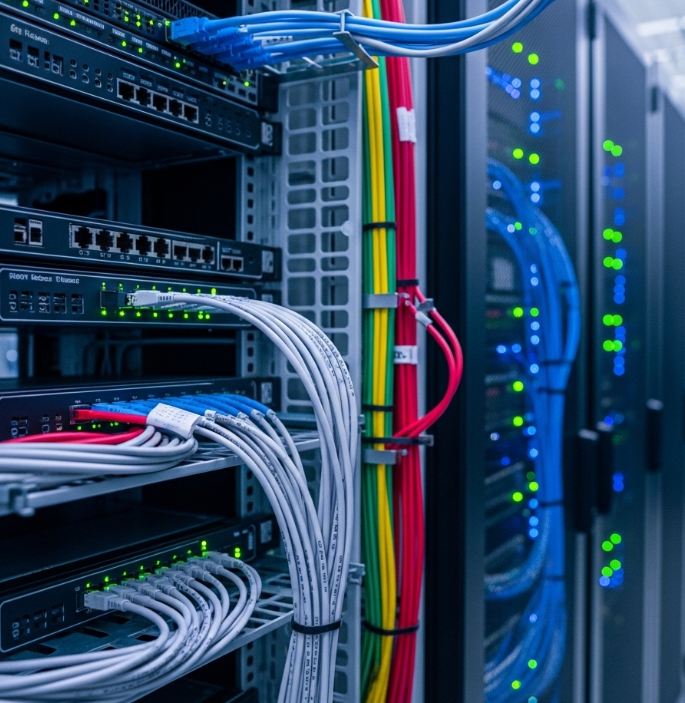
Signal distribution in Data Centers: Low-voltage cables in data centers are used to connect servers, storage systems, and networking equipment, ensuring smooth and reliable communication. They can handle a large amount of data needed for cloud services applications and high-speed networks.
Renewable energy and EVs: Essential for transmitting power from renewable sources such as solar panels and wind turbines to electric grids.

In today’s fast-paced, technology–driven world, low-voltage cables are more important than ever. They power devices and systems that make modern life convenient, efficient, and connected for a smarter living. There are several factors that are driving their importance in 2025.
Safe: One of the key reasons why low-voltage cable matters is its safety. Since they carry a lower electrical current, the risk of electric shock, overheating, or fire is much lower compared to high voltage, making it especially important as more electronic devices are integrated into homes, offices, and data centers.
Efficiency: In 2025, efficiency goes beyond saving power; it’s about building a system that’s smarter, faster, reliable, and sustainable. Low-voltage cables help achieve this by reducing energy loss, minimizing single interface crosstalk, and delivering consistent performance even in a highly demanding environment. Support for PoE allows a single cable to carry both data and power, simplifying installation and reducing maintenance.
Future-ready: Low-voltage cables are designed to meet the demands of the technology of the future. They provide high-speed, low-latency connections to support AI, IoT, and AR/VR. They serve as the true backbone of a connected future, ensuring reliable performance in data centers, smart homes, and renewable energy systems with cutting-edge cabling such as Cat6a and fiber optics.
Flexible and Affordable: Low-voltage cables are affordable because they are easy to install, maintain, and modify. They are perfect for homes, workplaces, data centers, and renewable energy systems because of their small size and robust construction.

With over 40 years of experience, Gruber Communication Products can offer excellent low-voltage solutions for a wide range of applications. We offer products and custom cable assemblies precisely tailored to meet your specific needs, whether they relate to data centers, security systems, building automation, telecommunications, or specialized industrial installations. Across industries, our solutions guarantee effectiveness, dependability, and performance that is ready for the future. Gruber Communication Products provides reliable performance whether you’re replacing old systems or installing new ones. Get in touch with us to learn more about our selection of goods and project-specific custom solutions.
From data centers to smart buildings, low-voltage cables are the backbone of modern technology. Let Gruber help you design, supply, and install reliable solutions, backed by 40+ years of expertise in the industry. Contact us today at 800.658.5883 or 602.863.2655 or email support@gruber.com
In professional live events, broadcast production, and mission-critical networking, the quality of
Learn More →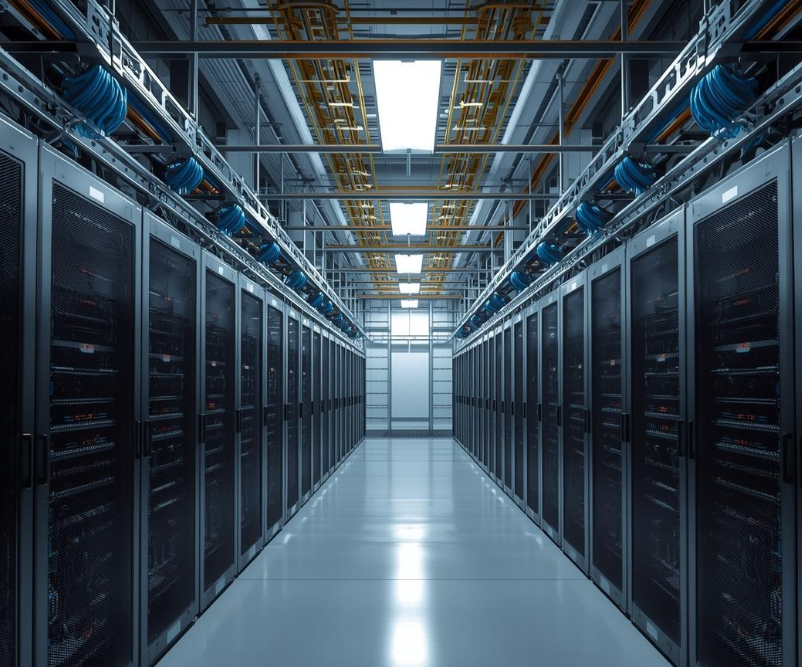
Efficient cable management is essential in today’s data centers, telecom rooms, and
Learn More →