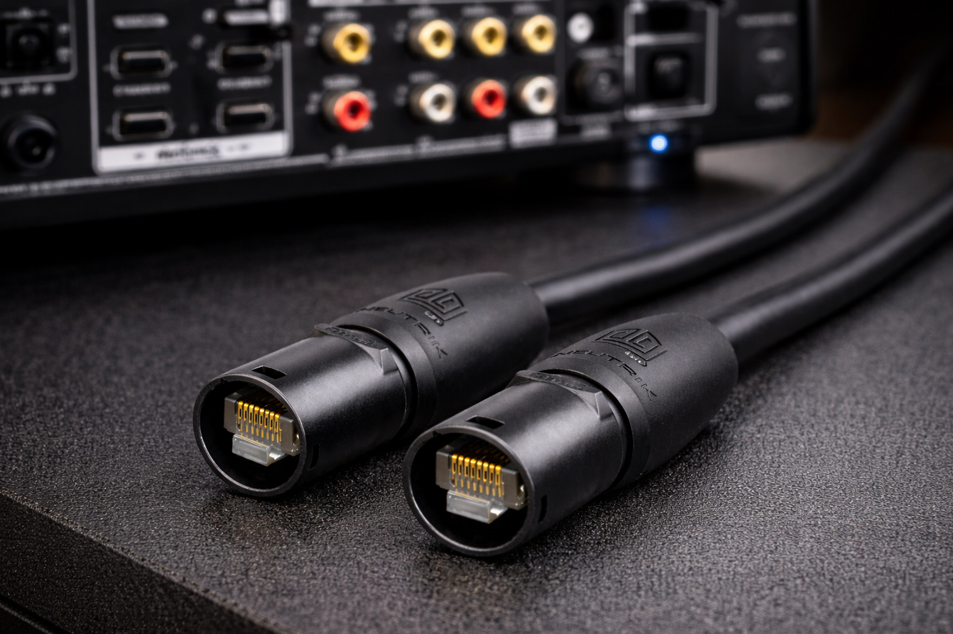
Neutrik etherCON® Assemblies: Unlock
In professional live events, broadcast production, and mission-critical networking, the quality of
Learn More →

Rack extender :
The fast-paced world of networking, audio-visual, and IT infrastructure makes it difficult to manage deep equipment in racks. If you work as a data center manager, AV specialist, or system administrator, you have probably encountered the difficulty of getting to devices that are hidden deep within your rack. Now for the unsung heroes of rack management that greatly simplify life: rack extenders. In this blog, we’ll explore how rack extenders solve common equipment headaches, their benefits, types, and applications for selecting the right one for your setup.
In server rooms, data centers, and AV sets, rack-mounted equipment is intended to optimize available space and preserve organization. However, deep-mounted equipment presents one of the most significant obstacles. Devices that are recessed far into a rack, such as servers, network switches, or amplifiers, can be challenging to reach for cable management, repair, or installation.
Difficulty Access: Simple chores like pressing buttons, viewing signs, or patching connections become irritating and time-consuming when equipment is positioned deep inside racks and difficult to reach. In certain situations, it could be necessary to awkwardly extend or even deinstall existing equipment to access these gadgets.
Cable management issues: Cables that are tangled, strained, or disordered are frequently the result of deep racks’ limited space. Accidental disconnections, signal interference, and troubleshooting issues might result from poor cable routing.
Delay in maintenance: When equipment is recessed, routine maintenance, including firmware upgrades, hardware replacements, or inspections, may require extra time to complete. Efforts to access devices can consume valuable resources, which lowers overall operating efficiency.
Safety concern: There is a higher chance of strain, slips, or unintentional damage when working in confined or awkward postures. The threats to technicians’ safety can increase when handling heavy equipment in deep racks.
Weight Challenges: Rack-mounted equipment, such as servers and amplifiers, can be heavy and difficult to move. Physical strain and possible equipment damage are increased when large items are lifted or pulled out frequently.
Airflow issue: Airflow obstruction from deep or packed racks might result in the accumulation of heat and ineffective cooling. A lack of ventilation can raise the risk of overheating and reduce the lifespan of equipment.
Space limitation: It may be challenging to plan for future growth or new devices in large or deep racks. The rack can easily become overcrowded if it is not carefully organized, making management and installation more difficult.
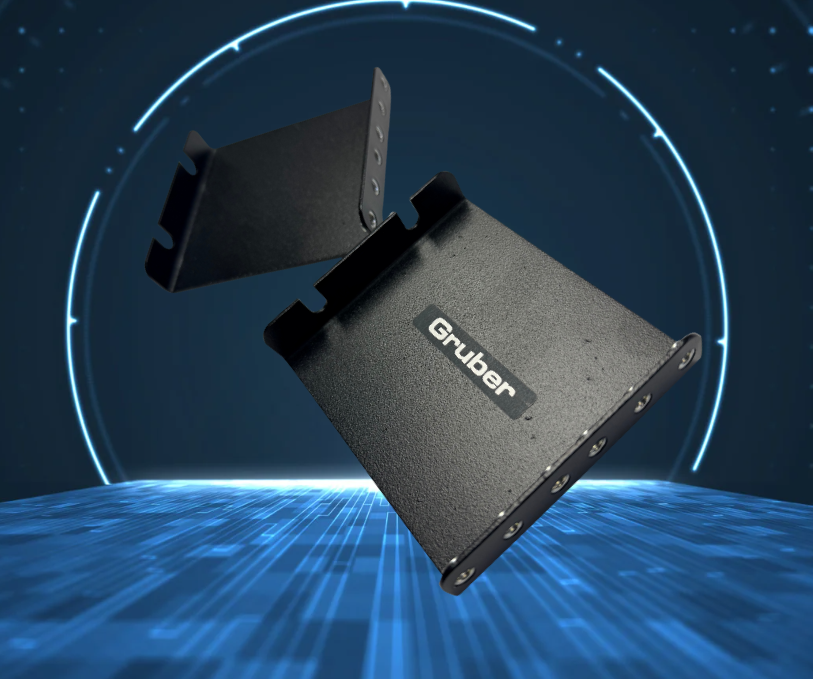
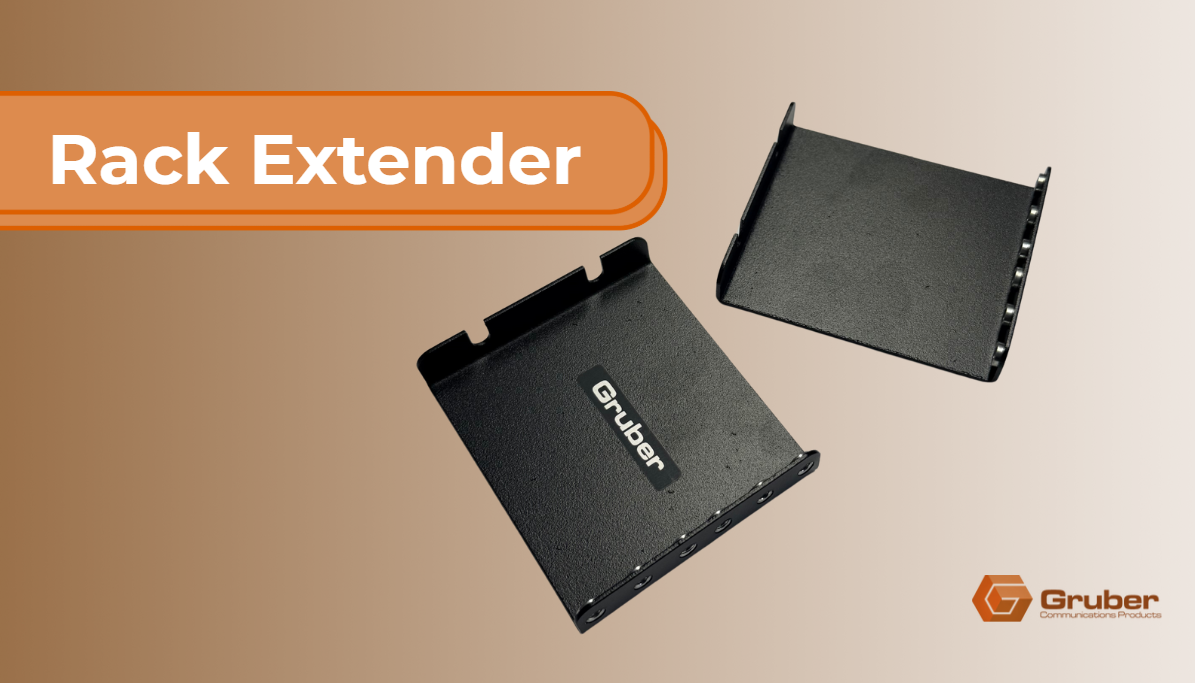
A rack extender is an accessory that allows you to extend the front or back of your rack-mounted equipment, making it accessible without removing the device entirely from the rack. Consider a bridge connecting your workspace and your equipment, bringing the gadget to you for convenient access.
Rack extenders are designed to fit conventional 19-inch datacom or 23-inch telco racks, are lightweight yet strong and adaptable, and work with a variety of devices, such as network switches, servers, and audio switching equipment.
Beyond simply making equipment easier to access, rack extenders offer several additional benefits. They are seen as essential in contemporary rack configurations for the following reasons:
Types of Rack Extenders:
Rack extenders are available in a variety of designs to suit various applications and settings. Your equipment, rack size, and operating needs will determine which model is best for you.
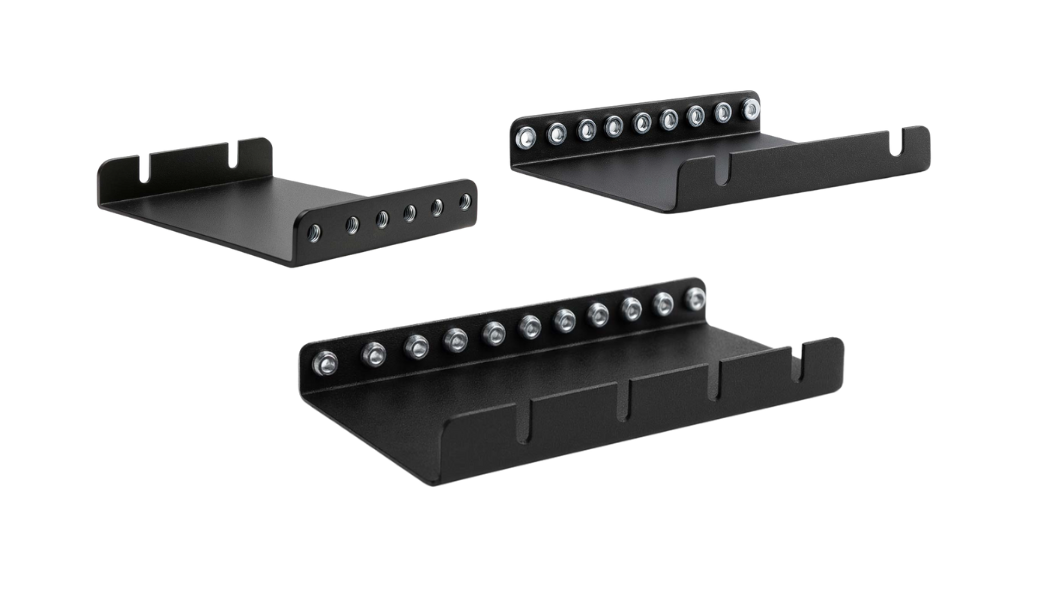
Fixed Rack Extender: These are straightforward gadgets that fasten to the rack’s front or rear. For devices that need to be accessed frequently but don’t need to be moved once extended, they offer a static extension. They are available in different sizes: 2u, 3u,4u. They usually mount directly to the front rails for extra space, or to the rear to shorten the space for items that won’t reach the rack mounting rail. Below are examples for Rack extender brackets:
Sliding Rack Extender: Equipment can be smoothly removed via sliding extenders, much like a drawer. For heavy devices or configurations where frequent access to backports is required, they are perfect. For easy mobility, certain sliding extenders have ball-bearing rails.
Adjustable Rack Extenders: Easily adapt the mounting depth with adjustable extenders to fit equipment of different sizes. In mixed-rack environments with devices of varying chassis sizes, this flexibility is especially helpful.
Rack Shelf Extender: Instead of using individual devices, some layouts benefit from whole shelves that extend. Particularly in AV installations with amplifiers, receivers, and media players, these extenders support several pieces of equipment simultaneously.
Selecting the right extender for your equipment is essential to ensure optimal performance and safety. Here are key factors to consider:
Deep-mounted equipment intended for your networking rack doesn’t have to be difficult to work with. Utilizing rack extenders offers a useful, affordable way to enhance workplace safety, cable management, accessibility, and maintenance effectiveness. Purchasing the appropriate rack extender will save numerous hours and lessen frustration, making both your life and your equipment much easier to manage, whether you’re in charge of a corporate IT room, AV system, or data center.
With so many types and designs available, the key is to assess your needs, equipment dimensions, and maintenance requirements to select the perfect rack depth extender. Gruber Communications, a leading custom metal and cable manufacturer with over 40 years of experience, offers a wide range of high-quality rack extenders designed for durability and longevity.
Contact us today at 800.658.5883 or 602.863.2655 or email support@gruber.com.
In professional live events, broadcast production, and mission-critical networking, the quality of
Learn More →
Efficient cable management is essential in today’s data centers, telecom rooms, and
Learn More →